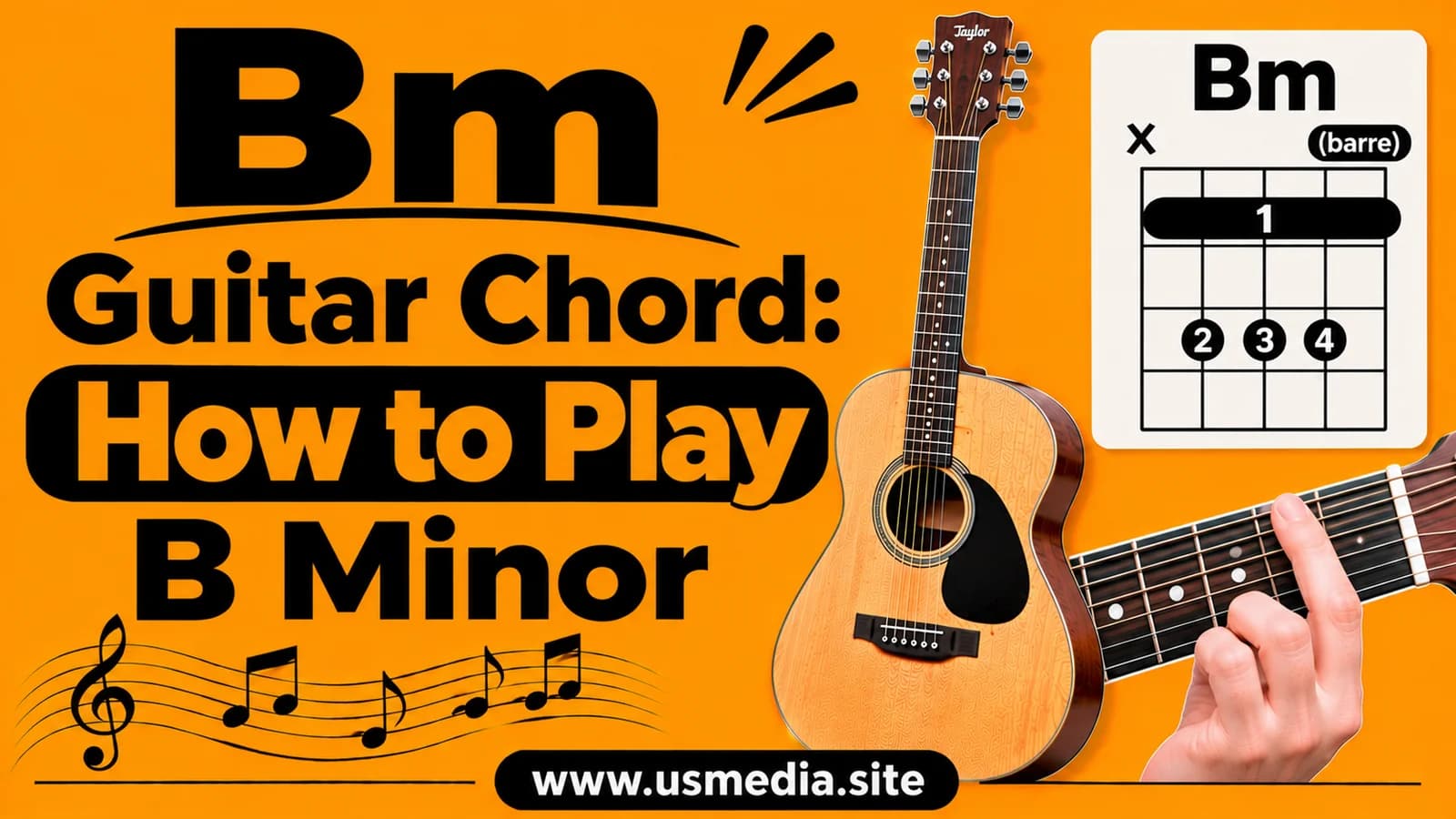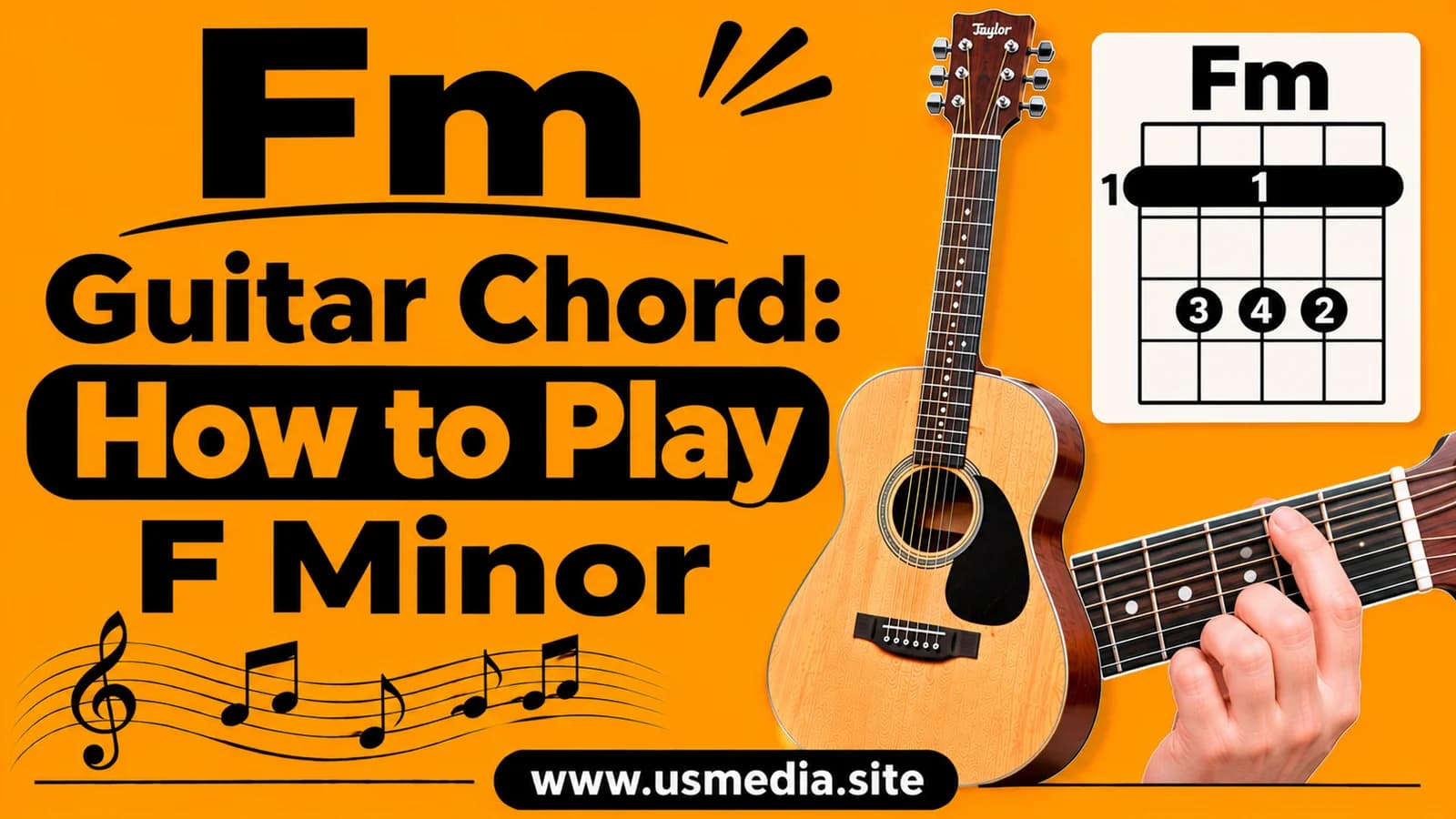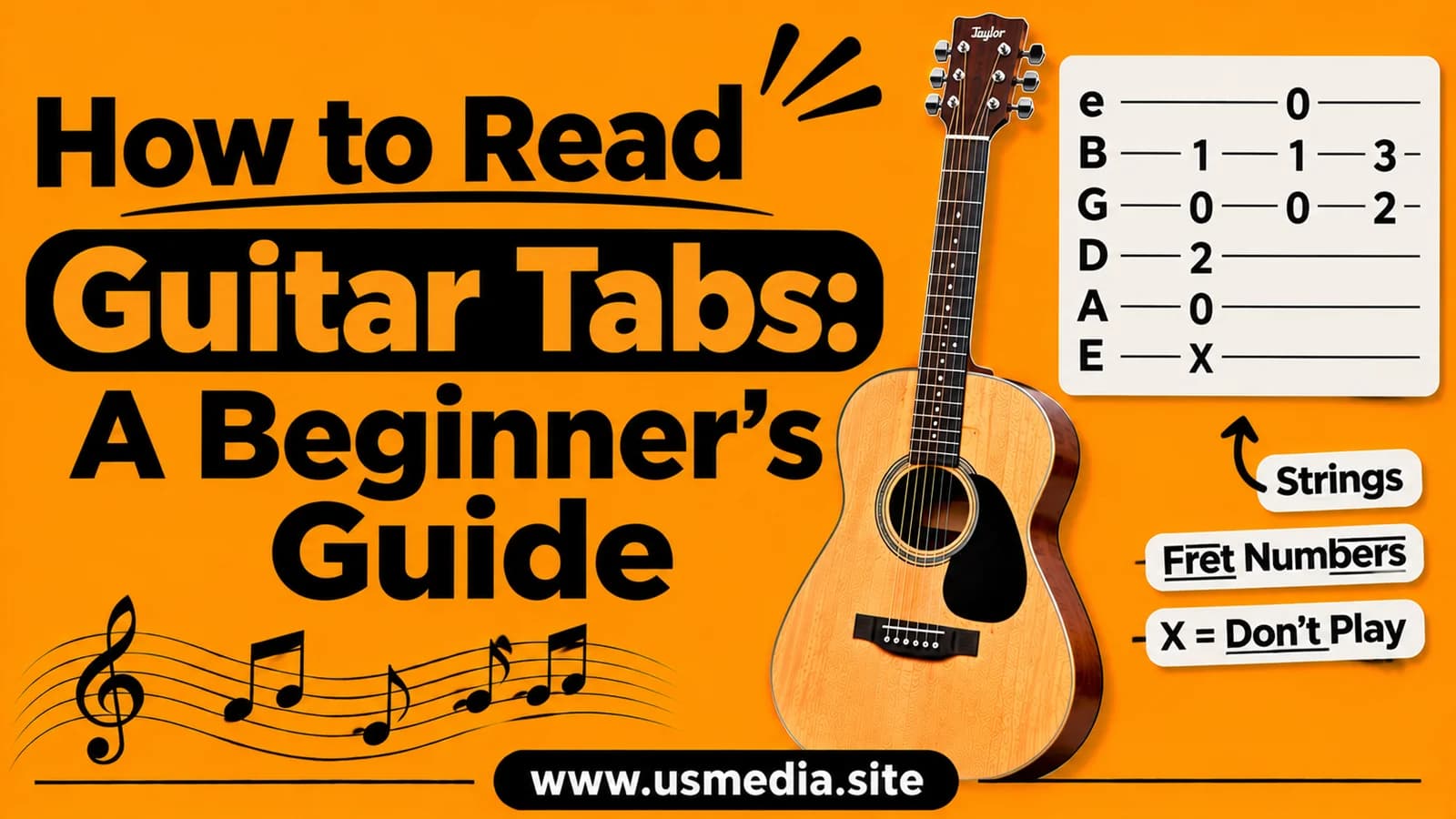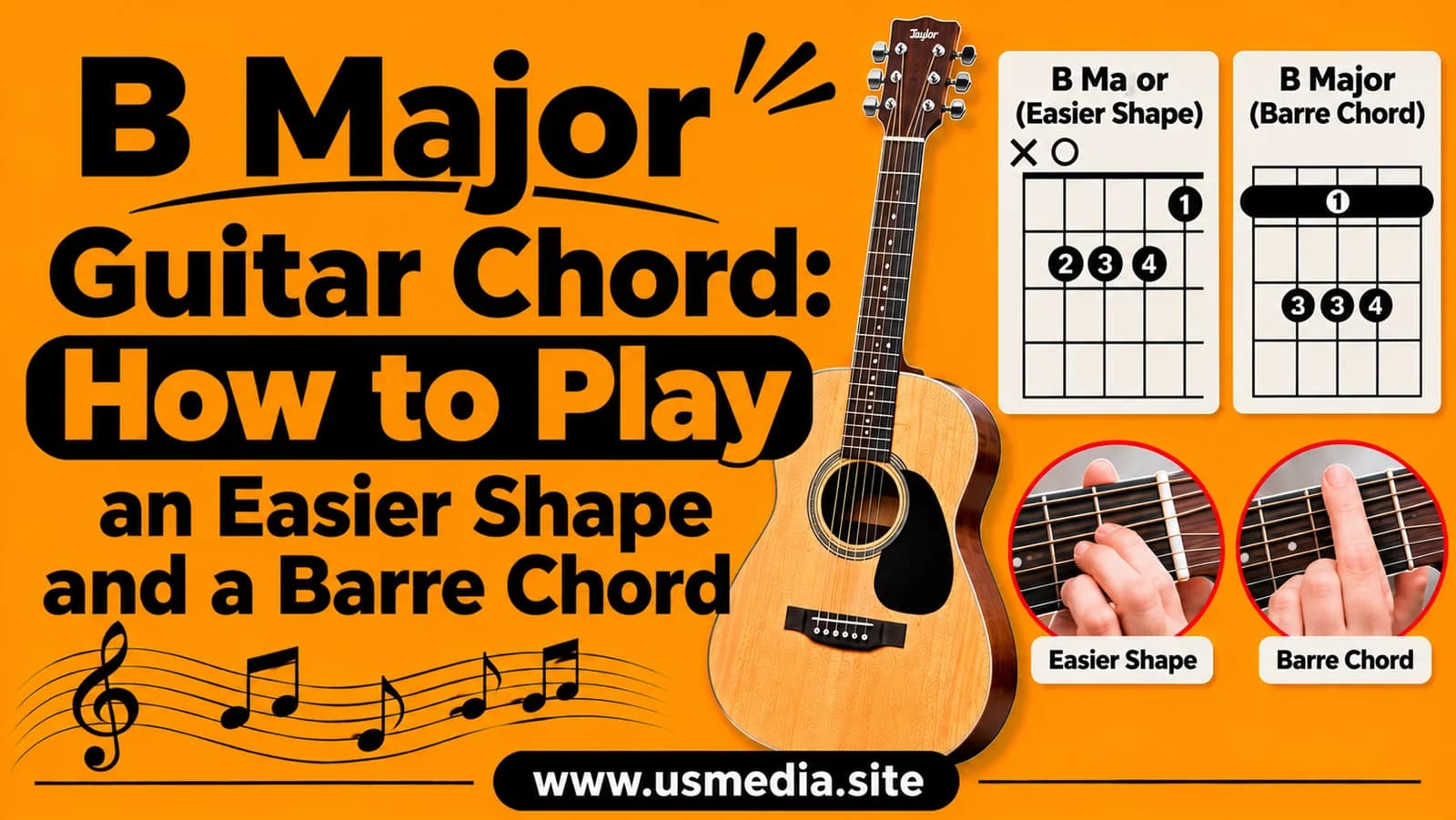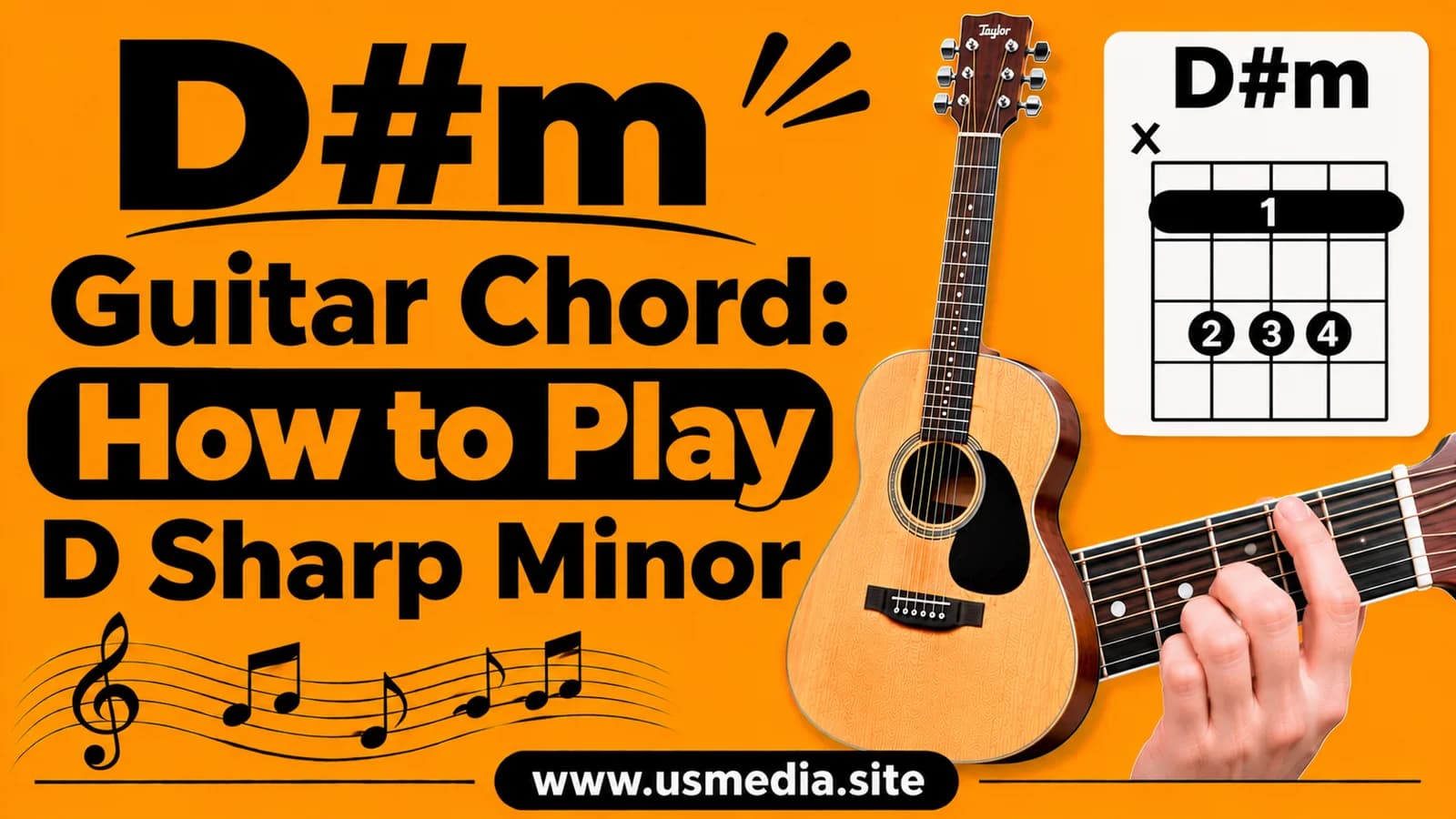
D# minor is less familiar on guitar than open-position chords because standard tuning offers no open strings from its triad. The common shape sits at the sixth fret and uses a barre, but you can also play a smaller three-string voicing without barring. This lesson explains the chord tones, shows how the shapes differ, and helps you choose one that fits the part rather than forcing every version into a full strum.
What notes are in a D#m chord?
A D# minor triad contains D#, F#, and A#. D# is the root, F# is the minor third, and A# is the fifth. The formula is 1–♭3–5. The minor third is the note that distinguishes D# minor from D# major.
You may also see the chord written as E♭m or E-flat minor. D# and E♭ are enharmonic spellings: on a fretted guitar in standard tuning, they refer to the same pitch. The other notes can be spelled enharmonically too: F# is the same pitch as G♭, and A# is the same pitch as B♭. Chord charts often use D#m or Ebm depending on the key or the chart’s naming convention; the guitar fingering does not change.
The diagrams below assume standard tuning, from the thickest string to the thinnest: E–A–D–G–B–E. Read each...